
For many Filipinos, caring for aging parents, sick relatives, or children is more than a responsibility—it is an expression of love deeply rooted in family values. But a new survey suggests that this culture of caregiving is exacting a growing personal toll, with many caregivers sacrificing their own health, finances, and future security to look after others.
The latest Manulife Asia Care Survey 2026, which polled more than 9,000 people across Asia, including 1,000 respondents in the Philippines, found that while Filipinos increasingly aspire to remain independent as they grow older, many are struggling to achieve that goal because they are already overwhelmed by caregiving responsibilities.
Nearly seven in 10 Filipinos, or about 67 percent, provide care to a family member, spending an average of 32 hours each week doing so, which is well above the regional average of 23 hours. At the same time, 68 percent also provide financial support to relatives, using almost half of their monthly income to meet those obligations.
The burden is particularly heavy for the so-called “sandwich generation”—adults simultaneously caring for aging parents while raising children. The survey found that 74 percent of respondents in this group said caregiving and financial commitments are preventing them from building their own long-term independence, while 71 percent admitted postponing their own medical care because family needs take priority.
The consequences extend beyond finances. More than three-quarters or 76 percent of caregivers said they struggle to make long-term plans for themselves, while 69 percent find it difficult to balance caregiving with everyday life. Around two-thirds reported sleep problems, financial stress, and disruptions to their life plans, while more than half said caregiving has already affected their own physical health.
These findings reflect what Manulife Philippines President and Chief Executive Officer Rahul Hora described as a defining challenge for Filipino families—not the willingness to care, but the risk of caregivers neglecting themselves in the process.

“Caring for loved ones is deeply embedded in Filipino culture, and that’s not something people want to give up,” Hora said during a media briefing. “What they’re looking for is a way to make caregiving less of a burden and more sustainable.”
Rather than abandoning traditional family support, Filipinos are becoming more conscious about planning financially so their own children will not face the same pressures in the future, he added.
The survey suggests this shift is already underway. Eighty-eight percent of respondents said the greatest inheritance they want to leave their families is not wealth or property, but their own independence and financial freedom. That figure rises to 95 percent among Filipinos aged 25 to 34.
For many respondents, independence means more than simply living longer. It means remaining healthy enough to avoid becoming dependent on family members, retaining the freedom to make personal decisions, and having access to quality healthcare without creating financial strain for loved ones.
Health also emerged as a cornerstone of that independence. While 92 percent agreed that preventive healthcare and self-care habits help extend years of independent living, relatively few are taking concrete preventive measures. Only 26 percent reported undergoing early health screenings, while less than a third actively build social connections to reduce isolation later in life.
The financial challenge remains significant. More than eight in 10 Filipinos or 82 percent worry about how they will afford future care, far exceeding the regional average of 66 percent. Respondents estimate they would need around P34,485 per month to cover future care expenses.
Despite those concerns, only 21 percent expect financial support from their children in old age. Instead, most plan to rely on personal savings and investments, reflecting a growing desire to remain self-sufficient and allow the next generation to pursue their own goals.
During the briefing, Hora said the survey reflects a broader demographic shift rather than a rejection of traditional caregiving.
“The culture of caregiving will remain,” he said. “The question is whether we prepare for longer lives now, so caregiving remains sustainable instead of becoming a source of hardship,” Hora tells FrontpagePH during the briefing.
He acknowledged that rising healthcare costs present a growing obstacle but argued that early planning and preventive care can help ease future burdens. He cited telemedicine as one example of a more affordable and accessible way for Filipinos to seek medical advice before illnesses become more serious, noting that many delay consultations because of cost, inconvenience, or time away from work.
A medical expert participating in the discussion also pointed to an emerging shift in elder care, with more families beginning to combine family support with professional long-term care services and community-based facilities. Such arrangements, they said, allow older adults to maintain greater independence while easing some of the demands placed on family caregivers.
Manulife executives said the long-term sustainability of caregiving will ultimately depend on whether Filipinos begin planning earlier for longer lives—through preventive healthcare, financial preparation, and access to appropriate care options.
For many Filipino families, the survey underscores an uncomfortable reality: while caring for loved ones remains a cherished value, failing to care for oneself may ultimately make it harder to care for others in the years ahead.
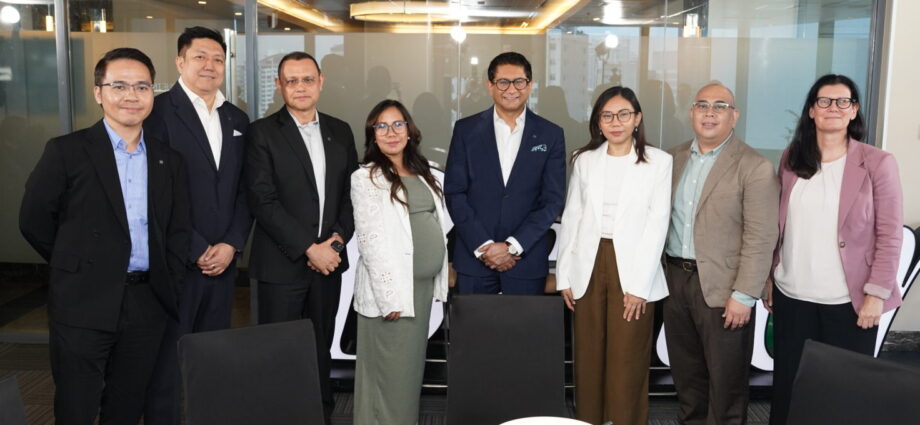
(MAIN PHOTO: Manulife Philippines executives during the media briefing for its 2026 Asia Care Survey).