Cebuana Lhuillier is helping address literacy challenges among Filipino children through its Cebuana Aralan Mini Library Project, an initiative that brings books, digital learning materials, and educational resources to underserved communities across the country.
Implemented by the Cebuana Lhuillier Foundation, Inc. (CLFI), the program aims to provide children with opportunities to develop their reading and comprehension skills beyond the classroom, particularly in areas where access to libraries and learning materials remains limited.
The initiative comes amid persistent concerns over literacy levels in the Philippines. According to figures cited by the foundation, the latest Programme for International Student Assessment (PISA) 2025 results showed that only 31% of Filipino 15-year-olds achieved at least Level 2 proficiency in reading, compared with the 69% average among Organisation for Economic Co-operation and Development (OECD) countries.
The World Bank also reported in 2026 that 91% of Filipino children aged 10 could not read and understand an age-appropriate text, a condition referred to as learning poverty.
Meanwhile, the 2024 Functional Literacy, Education and Mass Media Survey (FLEMMS) found that approximately 18.9 million Filipinos aged 10 to 64 were functionally illiterate, highlighting continuing difficulties in reading comprehension despite basic literacy skills.
For Cebuana Lhuillier President and CEO Jean Henri Lhuillier, the inspiration behind Cebuana Aralan came after learning that Graciano Lopez Jaena Elementary School in Manila lacked a library where students could read, study, and explore educational materials outside their regular classes.
Recognizing the importance of having dedicated learning spaces, Lhuillier initiated the project to help bridge gaps in educational resources.
“We believe that every child deserves a fair chance to succeed and that opportunities should not be determined by circumstance. Cebuana Aralan reflects our commitment to helping create a stronger foundation for children and supporting them as they work toward their aspirations,” Lhuillier said.
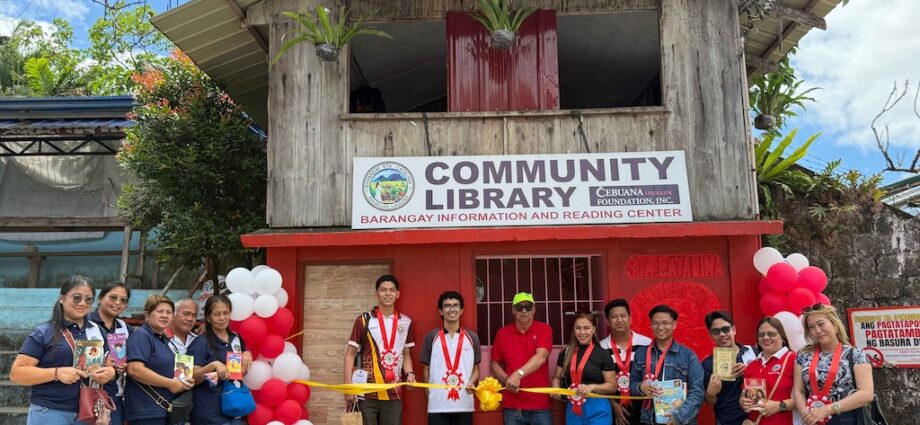
Since its implementation, Cebuana Aralan has established three community and school libraries, donated more than 2,500 books, and distributed 764 school supply packs to students.
The program has also introduced the C Learning eLibrary App and digital library tablets containing electronic books, providing students with additional ways to access educational content.
Beyond traditional reading materials, the initiative incorporates digital learning resources and practical educational activities designed to support literacy development.
CLFI works closely with local government units, nongovernment organizations, educators, community leaders, volunteers, scholars, and other partners to identify communities that would benefit from additional learning facilities.
The project also integrates the foundation’s Inclusive Education and Financial Inclusion programs, combining literacy development with financial education and practical knowledge.
Jo-Ann Tacorda, Cebuana Lhuillier First Vice President and Chief Administrative Officer and CLFI Executive Director, emphasized the importance of community partnerships in ensuring that educational initiatives address actual learning needs.
“Education initiatives are most meaningful when they respond to the realities of the communities they serve. By working with local partners and listening to what learners need, we can bring resources closer to them and create opportunities that can make a practical difference in their everyday learning,” Tacorda said.
While improvements in the country’s education system remain a broader responsibility of government, schools, and other stakeholders, community-based initiatives such as Cebuana Aralan seek to supplement classroom instruction by making educational materials more accessible.
CLFI plans to expand the project to more remote barangays nationwide, focusing on communities where children have limited access to libraries, books, and digital learning tools.
Through the expansion, the foundation hopes to help more Filipino children develop stronger literacy skills and gain access to educational opportunities regardless of their geographic location or economic circumstances.