
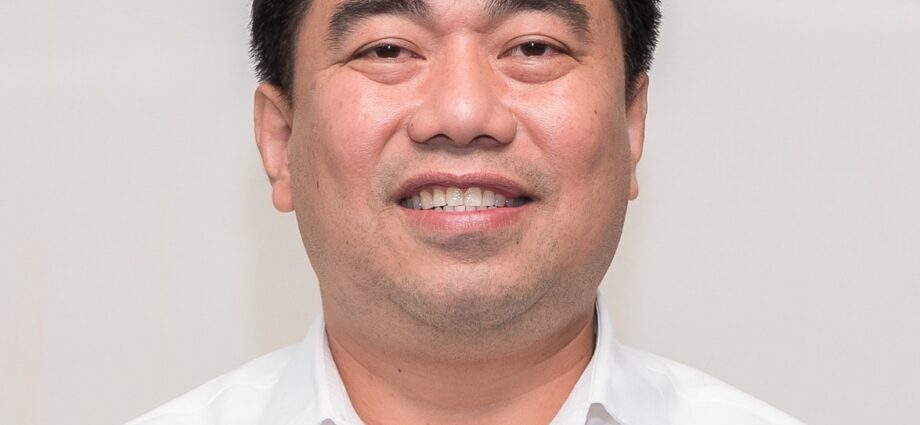
IN a move that caught even his closest colleagues by surprise, Atty. Melvin Alvarez Matibag has stepped forward as an applicant for one of the country’s most powerful and scrutinized constitutional posts — the Office of the Ombudsman. But more than just filing a bid, Matibag is making a case for transformation.
Known for his legal acumen, service as an energy executive, and former post as Secretary General of PDP-Laban, Matibag is no stranger to controversy. But he is meeting skepticism head-on with an appeal to principle — and urgency.
“Some friends questioned my decision to apply. They pointed to my political affiliations to the Dutertes and the seemingly entrenched nature of the current system,” he wrote in his opinion piece published in the Daily Tribune.
“But I believe the moment calls for boldness. I submit to the appointment process, and if chosen, I am ready to confront dysfunction with the decisiveness the public deserves.”
His bid comes as Ombudsman Samuel Martires nears the end of his term — a period Matibag critiques as one marked by institutional retreat at a time when public vigilance against corruption has never been more vital.
While respectful of Martires’ credentials as a retired justice, Matibag argues that the Ombudsman’s role requires more than neutrality — it demands active protection of the public against abuse, malfeasance, and impunity.
“The role of Ombudsman demands confrontation, not caution,” he said. “The people expect protection — and protection requires the will to act.”
Citing data from Transparency International, Matibag points to the Philippines’ stark decline in the Corruption Perceptions Index (CPI): from 99th in 2018 to 114th in 2024, despite a significant increase in the agency’s annual budget. In his view, this disconnect reveals not only an institutional underperformance but also a growing public distrust.
“These numbers are not just statistics — they reflect the public’s growing disillusionment,” he said. “Despite increased resources, perceived corruption has worsened. Clearly, the math isn’t adding up.”
What alarms Matibag even more is the growing reliance of citizens on media personalities, such as the Tulfo brothers, to resolve grievances that should have been addressed by formal institutions like the Ombudsman.
“If people fear TV hosts more than corrupt officials fear the Ombudsman, something is clearly wrong,” he emphasized.
Yet, beyond the critique is a message of hopeful reform. Matibag says he envisions an Ombudsman that is independent, unshackled by partisanship, and powered by public trust — an office that does not shrink from its duty but reclaims its moral authority.
“A truly independent Ombudsman serves no one but the people — and fears no one but the people who are still waiting for justice,” he declared.
Should he be appointed, Matibag pledges to bring sweeping reforms: from eliminating red tape to prioritizing high-stakes cases with speed and resolve. His goal is clear — to rebuild the Office of the Ombudsman into a feared and respected institution worthy of its constitutional mandate.
Whether or not his candidacy succeeds, Atty. Melvin Matibag has ignited an urgent conversation: What kind of Ombudsman does the nation truly need — and deserve — in an era where trust in institutions hangs in the balance?