
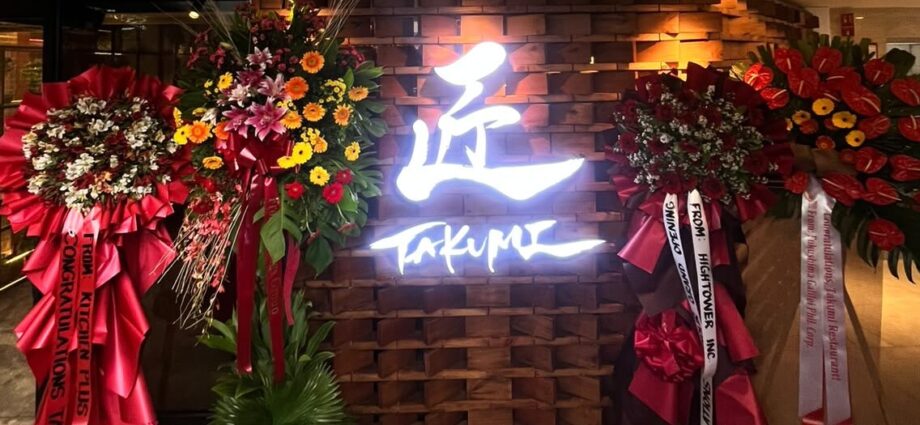
There was a time when Japanese restaurants in the Philippines had to carefully tweak recipes to suit local tastes. Sauces became sweeter, seasonings milder, and familiar flavors often took precedence over authenticity.
Takumi, a new Japanese restaurant in Makati operated by a company from Kyoto, is taking a different approach.
Its philosophy isn’t built around reinventing Japanese cuisine for Filipinos. Instead, it reflects a growing confidence that Filipino diners have become sophisticated enough to appreciate Japanese food much the way it is enjoyed in Japan.
“We aim to provide the line that Japanese people think is delicious,” Takumi co-owner Kotaro Miyake tells FrontpagePH in an interview. “We adjust a little bit for Filipino taste, but even Japanese people who come here should still feel like they’re eating in Japan.”
That statement says as much about today’s Filipino diners as it does about the restaurant itself.
A palate that’s grown with Japanese culture
Japanese food has long been popular in the Philippines, but Miyake believes the connection now goes far beyond sushi.
Filipinos have embraced Japanese culture through anime, manga, travel, and social media. Along the way, they’ve also become more adventurous eaters, learning to appreciate regional dishes, grilling techniques, and premium ingredients that were once unfamiliar.
For Miyake, this cultural familiarity has made authentic Japanese dining more accessible than ever.
He even sees similarities between the cuisines. Pork adobo, he points out, shares comforting, savory qualities with Japan’s kakuni, the slow-braised pork belly beloved in Japanese home cooking.
“Japanese and Filipino food are a little bit similar,” he said. “That’s why we think Filipinos like Japanese taste.”
Rather than masking Japanese flavors, Takumi chooses to highlight those common threads.
Authenticity with room to listen
That doesn’t mean Takumi refuses to adapt.
Miyake says authenticity isn’t about being rigid. While the restaurant remains rooted in traditional Japanese cooking, he welcomes feedback from Filipino diners.
“We want to provide the pure Japanese taste,” he said. “But I want to hear Filipino advice also. I want to improve day by day.”
It’s an approach that balances confidence with openness—maintaining Japanese culinary identity while recognizing that hospitality also means listening.
That philosophy extends beyond the food.
Takumi embraces omotenashi, Japan’s tradition of wholehearted hospitality, where thoughtful service is considered just as important as the meal itself. Named after the Japanese word for “master craftsman,” the restaurant emphasizes careful attention to detail, from ingredient selection to guest experience.
More than familiar favorites
Instead of focusing solely on the Japanese dishes Filipinos already know, Takumi introduces cooking methods that are less commonly experienced locally.
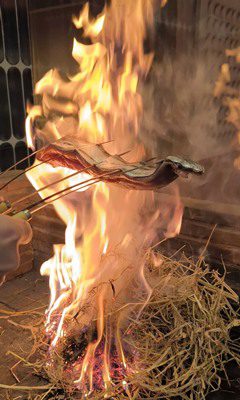
Its Warayaki specialties use an intense straw-fire grilling technique originating from Tosa, Japan. The extremely high heat quickly sears ingredients, locking in natural flavors while adding a distinctive smoky aroma.
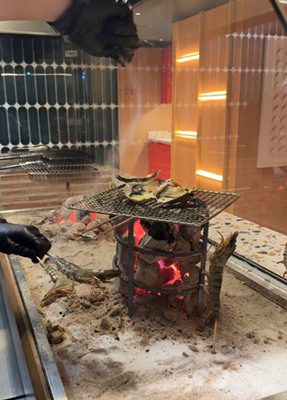
The restaurant also showcases robata-yaki, the traditional charcoal-grilling method prized for bringing out the natural flavors of seafood, vegetables, and premium meats.
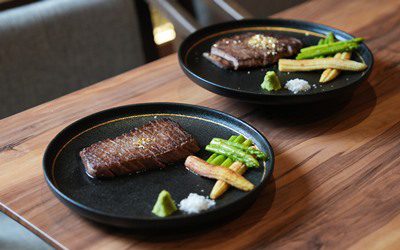
For diners seeking something more indulgent, Takumi serves Omi Beef, one of Japan’s oldest wagyu brands, celebrated for its rich marbling and buttery tenderness.
Together, these techniques offer diners a broader glimpse of Japanese culinary traditions beyond the familiar staples.
Starting in Makati—with bigger ambitions
Takumi chose Makati deliberately.
The area is home to one of Metro Manila’s largest Japanese communities, making it an ideal place to serve both Japanese residents looking for familiar flavors and Filipinos eager to experience them.
While many Japanese restaurants already operate in the district, Miyake believes authenticity remains Takumi’s strongest point of difference.
The company is thinking much bigger than a single location.
Its long-term vision, developed with Vikings Group, is ambitious by building more branches (100?) ofTakumi restaurants across the Philippines in the coming years. A second branch could arrive as early as next year, although the location is yet to be finalized.
For now, Takumi’s Makati restaurant accommodates up to 150 indoor guests, with six private dining rooms designed for family celebrations, business meetings, and intimate gatherings.
But perhaps Takumi’s most compelling story isn’t about expansion.
It’s about confidence—confidence that Filipino diners no longer need Japanese food translated for them.
Instead, they’re increasingly ready to experience it much as it is enjoyed in Japan itself.