
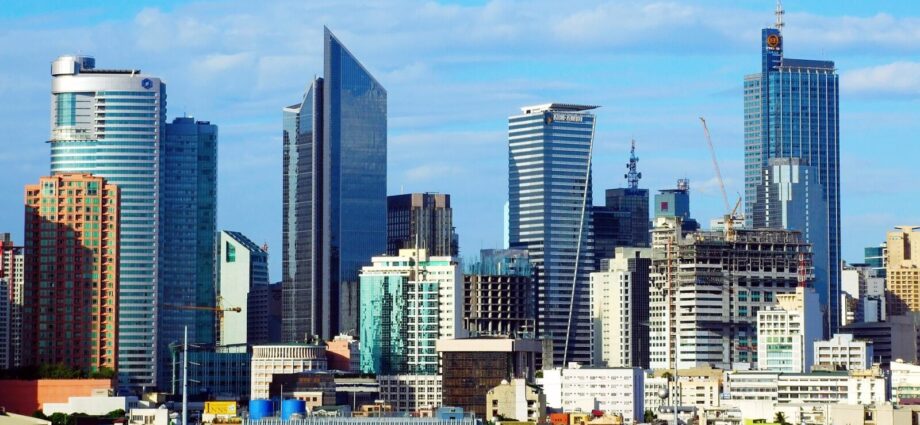
The Philippine commercial real estate landscape is navigating a pivotal transition as corporate occupiers weigh long-term technology ambitions against immediate economic pressures.
According to JLL’s 2026 Future of Work Survey, 79 percent of firms in the Philippines recognize the need to adjust their real estate strategies in response to artificial intelligence (AI), yet only 18 percent are actively executing portfolio transformations. This gap underscores a widespread wait-and-see approach, with most organizations monitoring trends while awaiting clearer enterprise-level direction.
The shift toward high-quality, strategically located office spaces—a trend known as flight-to-quality—continues to gain momentum across key business districts. Companies are increasingly seeking premium addresses to attract and retain top talent, prioritizing prime
locations over older, less accessible properties.
However, real estate dynamics vary sharply by submarket. In saturated areas like the Bay Area, where oversupply has created a tenant-friendly climate, lease rates have dropped to around P500 to P600 per square meter. By contrast, Makati City remains highly resilient, buoyed by tight office supply and recent rezoning along Paseo de Roxas that allows for flexible, mixed-use developments encompassing offices, hotels, and residential spaces. In premium developments like Ayala Triangle Gardens, prime space commands rates up to 2,000 pesos per square meter.
Rather than committing massive capital to new ground-up developments, which can cost billions of pesos and carry high vacancy risks during market downturns, developers and property owners are increasingly turning to building retrofitting. Upgrading and modernizing existing stock, such as older structures in Makati, offers a cost-effective alternative to make legacy assets competitive alongside newer hubs like Bonifacio Global City. JLL Philippines Country Head Joey Radovan notes: “Retrofitting older assets can cost a fraction of a new build while successfully elevating properties to meet modern corporate standards.”
Beyond physical location, the integration of AI is expected to fundamentally alter workspace design and layout requirements. While AI-driven workforce automation is cited by 49 percent of Philippine respondents as a primary driver of occupancy costs, three out of four local firms still anticipate overall headcount expansion over the next three to five years.
Rather than widespread workforce reduction, AI is anticipated to reshape specific roles, particularly entry-level and administrative functions. In professional sectors, automation may reduce the need for large banks of standardized support desks, shifting office design toward specialized spaces for senior leaders and dynamic, collaborative environments for hybrid teams.
Physical attendance policies are further reinforcing office space requirements. Philippine companies report an average mandatory office presence of 4.1 days per week, notably higher than the global average of 3.7 days. With 40 percent of local organizations requiring a full five-day workweek in the office, the strong return-to-office baseline supports ongoing demand for physical footprint, even as companies explore hybrid flexibility.
Despite strong appetites for smart buildings and modern amenities, execution is tempered by financial and operational constraints. Economic volatility and budget pressures are identified as the primary risk threatening corporate real estate portfolios by 52 percent of local respondents, followed closely by cybersecurity concerns and talent retention challenges. Furthermore, 48 percent of firms point to internal skills gaps in AI and technology as the top barrier to creating real estate value, surpassing traditional budget limitations.
As a result, commercial real estate teams are adopting a measured approach, balancing long-term aspirations for tech-enabled workplaces with the pragmatic realities of cost management and market uncertainty.