

FOR many Filipinos, traveling by sea is more than just getting from one destination to another. It is part of the excitement of going home, reuniting with loved ones, or exploring a new destination. But while passengers look forward to the journey, much of the work that makes a voyage possible happens long before they step onboard.
As the holiday travel season approaches, 2GO Travel is offering passengers a closer look at the preparations that take place behind the scenes to help ensure safer and more comfortable journeys.
Through its Before We Sail initiative, the shipping company highlights five essential safety practices, from training crew members to securing departure clearances, that are part of its regular operations.
A Crew That Knows What to Do
When emergencies happen at sea, a trained and coordinated crew can make a critical difference.
This is why 2GO personnel regularly participate in safety drills designed to sharpen their emergency response skills. These exercises allow crew members to practice established procedures, improve coordination, and understand their responsibilities in different situations.
The goal is to ensure that crew members are prepared to respond when needed, rather than learning what to do when an actual emergency occurs.
Safety Equipment Ready for Action
Life jackets, emergency facilities, and other onboard safety equipment are essential safeguards during sea travel. But having them onboard is only part of the equation. They must also be properly maintained and ready for use.
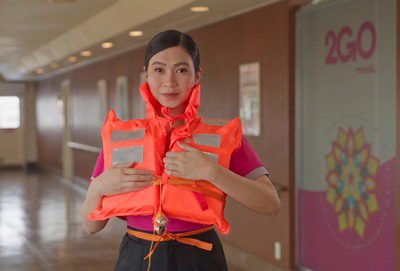
2GO conducts routine inspections of its safety facilities and equipment to assess their condition and identify items that may need attention before departure.
For passengers, these checks provide an important layer of protection, even if most of the equipment remains out of sight throughout the journey.
Checking the Ship Between Voyages
A ship’s arrival at port does not mean its preparations are over. In many ways, it marks the beginning of another round of work.
Before the next departure, 2GO’s technical teams conduct routine inspections covering the vessel’s deck, engine, and bearings. These checks help assess the ship’s condition and identify potential mechanical or operational concerns.
Such preventive measures are particularly important for vessels that regularly transport passengers between destinations, where consistent maintenance and operational readiness are essential.
Keeping an Eye on What Comes Aboard
Passenger safety also involves more than the condition of the ship itself. What enters the vessel matters, too.
Baggage and cargo undergo screening before loading as part of 2GO’s standard security procedures. The process helps identify potential risks and prevent prohibited or hazardous items from compromising onboard safety.
For travelers, these security checks may add another step to boarding, but they serve an important purpose in protecting everyone on the voyage.
The Final Go-Signal Before Departure
Even after the crew, equipment, and vessel have been prepared, a ship cannot simply leave port. Before departure, 2GO must complete the required inspections and obtain the necessary clearances in coordination with the Philippine Coast Guard.
This process provides an additional layer of regulatory oversight, helping ensure that vessels meet applicable departure requirements before being allowed to sail.
Passengers Have a Role to Play, Too
While shipping operators are responsible for maintaining vessel safety, passengers also have a part in making every journey safer.
Travelers are encouraged to listen carefully to onboard safety briefings, locate the nearest emergency exits, and know where life jackets are stored. Following crew instructions and reporting anything unusual can also help maintain a safer environment for everyone.
These simple precautions are especially relevant during the busy holiday season, when more Filipinos are expected to travel to their home provinces and reunite with their families.
For 2GO Travel, its Before We Sail initiative is a reminder that a safe journey involves far more than what passengers see during boarding or while enjoying their time at sea.
Behind every departure are people, procedures, inspections, and regulatory requirements working together to reduce risks.
And while travelers may remember a voyage for its ocean views, onboard experiences, or the excitement of finally coming home, the preparations made before the ship leaves port remain among the most important parts of the journey.