
A hotel room, a tray of food, a freshly cleaned public area. These may seem like ordinary details of hospitality. But for people preparing to rebuild their lives after detention, learning how to do these jobs can mean something much bigger: a chance to begin again.
That idea is taking shape in Quezon City and Cebu, where SM Hotels & Conventions Corporation (SMHCC) is helping turn hospitality training into a pathway toward meaningful employment for Persons Deprived of Liberty (PDLs).
The journey began in Quezon City, through the local government’s No Woman Left Behind and No Juan Left Behind programs under Mayor Joy Belmonte. Designed to help PDLs develop practical skills before returning to the community, the initiatives found a natural partner in the hospitality industry, where hands-on training can translate directly into workplace opportunities.
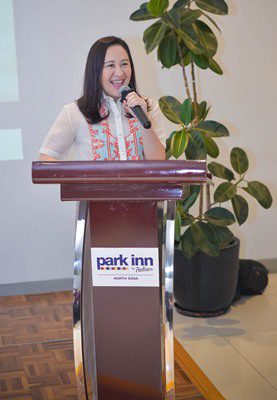
In 2024, Park Inn by Radisson North EDSA brought Basic Housekeeping Skills Training to women at the Quezon City Jail Female Dormitory. Two years later, the initiative expanded to the male dormitory, introducing Basic Food and Beverage Operations Training.
But the real measure of success was never simply how many people completed a course.
It was what happened after.
For Marissa Basa, completing the housekeeping program became the first step toward employment at Park Inn by Radisson North EDSA after her release. Severino Montallana II followed a similar path. After completing food and beverage training while at the Quezon City Jail Male Dormitory and regaining his freedom, he joined the same hotel workforce as its first hire under the No Juan Left Behind program.
Their stories give a more personal meaning to the idea of rehabilitation. Training is valuable, but its impact becomes tangible when a newly learned skill opens the door to a paycheck, a routine, a sense of purpose, and the confidence that comes with being given another opportunity.
“The stories of Marissa and Severino remind us that rehabilitation becomes truly meaningful when it leads to a real opportunity beyond the walls,” said Reycie Gutierrez, General Manager of Park Inn by Radisson North EDSA tells FrontpagePH.com. “We are proud to be part of a program that gives people the chance to move forward with dignity and purpose.”
That opportunity is now reaching beyond Quezon City.
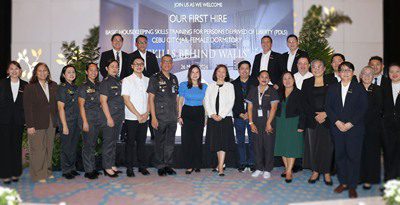
At Radisson Blu Hotel Cebu, SMHCC is working with the Bureau of Jail Management and Penology (BJMP), the Technical Education and Skills Development Authority (TESDA), and other partners through the Skills Behind Walls program. Instead of learning solely from textbooks, participants train in a mock-up hotel room built inside the Cebu City Jail Female Dormitory, allowing them to practice housekeeping techniques based on actual hospitality standards.
The first Cebu batch produced 24 graduates. Among them was Kimberly Cabahug, who went on to join Radisson Blu Hotel Cebu as a public area attendant after her release.
For Cabahug and others like her, the training represents more than learning how to perform a task. It is an opportunity to regain confidence and imagine a future defined not by the circumstances that came before, but by what they can contribute next.
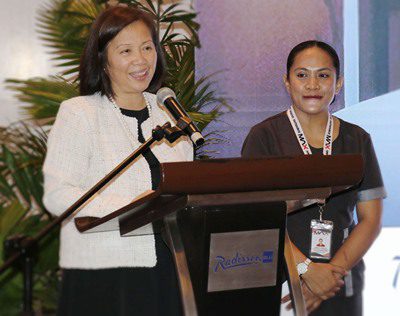
“This is not just about giving a job,” said Ann Olalo, General Manager of Radisson Blu Hotel Cebu. “More importantly, it is about giving people the skills, confidence, and opportunity to rebuild their lives and become productive members of society.”
The approach works because it connects three things that can make rehabilitation more sustainable: skills, experience, and employment.
Hospitality is particularly suited to that model. Hotels need people with practical skills in housekeeping, food and beverage, public areas, kitchen operations, and other essential functions. By bringing industry knowledge into detention facilities and creating opportunities for qualified graduates to enter the workforce, the programs create a bridge between learning and livelihood.
That bridge is built through collaboration. Local governments, BJMP, TESDA, SM Hotels, Radisson Hotel Group, Multi-Access Cooperative, and other training partners each play a role in making the programs possible. Together, they demonstrate how the public and private sectors can create more meaningful pathways for people preparing to return to their communities.
For SM Hotels, the opportunity lies in taking that model beyond individual properties. With hotels located in key destinations across the country, the company can bring its operational expertise and training capabilities to more communities while adapting programs to local needs and employment opportunities.
“Mayor Joy Belmonte started this effort with a clear vision of leaving no one behind, and it has now grown into an advocacy with the potential to reach more cities across the country,” said SM Hotels & Conventions Corporation Executive Vice President Peggy Angeles.
At its heart, however, the initiative is not about numbers, programs, or even hotels. It is about what happens when someone is given the opportunity to see a different future—and the tools to work toward it.
From a housekeeping lesson in a jail facility to a first day at a hotel, each step can become part of a larger transformation. One skill can lead to one job. One job can restore confidence. And one opportunity can help someone begin writing the next chapter of their life.
Sometimes, a second chance starts with something as simple—and as powerful—as being given the chance to learn.
(MAIN PHOTO: Officials from Radisson Blu Cebu led by GM Ann Olalo (center), BJMP Region VII, Cebu City Jail, TESDA Region VII, and other program partners).