

WHEN everything has gone digital, it is no surprise that even romance has gone digital as well.
With so many apps and services to choose from, it was reported that 441 million people around the world were using dating apps actively and generated around $8.7 billion in revenues globally through matchmaking services by the end of 2023.
Dating apps’ appeal is that it’s not limited by any geographic boundaries. You can meet people online in your city or in another country; you get to see how they look like from their profiles; find out their interests; and if you begin chatting, you can judge if you’re compatible enough to go on a first date.
But romantic situations may also be used to do something bad, like in romance scams, one of many fakeries proliferating online and that many Filipinos have become victims. However, there’s a Facebook page that crowdsources information and experiences so that you can be more aware about scams.
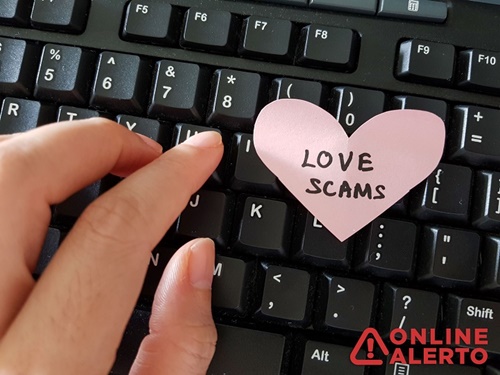
Called “Online Alerto,” this Facebook community page is dedicated to the dissemination of invaluable insights, resources, and strategies related to digital literacy, cybersecurity, and responsible online behavior.
Acting as a collaborative platform, it facilitates members in validating their online purchases and transactions while fostering an environment where personal experiences are exchanged to help enhance online safety and awareness among all members. Online Alerto is absolutely free—all you need to do is join the community page to raise your own awareness about cybercrimes.
While identity theft and hacking are the leading cybercrimes globally, love scams are rapidly on the rise. In Southeast Asia, these crimes have two victims: those deceived by the scam and those that are trafficked into doing the scams.
Online Alerto has pooled resources on the internet for warnings and tips on avoiding love scams.
Avoid these red flags
- The person expresses strong emotions and love for you very quickly, often within days or weeks of initial contact
- They quickly ask you to leave a dating service or social media site to communicate directly on WhatsApp or SMS, where they can manipulate you more easily.
- If an individual attempts to isolate you from friends and family or requests inappropriate photos or financial information, they could later blackmail you or extort money from you.
- When you make plans to meet in person, they always come up with an excuse why they can’t.
- They ask for money for various reasons such as travel expenses, medical emergencies, or business opportunities. This is often the biggest and most obvious red flag.
- They tell you stories to elicit sympathy, such as being widowed, having a sick child, or facing some urgent crisis.
- They ask you many personal questions, but they avoid sharing their personal details or give information that cannot be verified such as a home address or workplace.
What scammers say to hook you in
- “I or someone close to me is sick, hurt, or in jail.”
- “I can teach you how to invest.”
- “I’m in the military far away.”
- “I need help with an important delivery.”
- “We’ve never met, but let’s talk about marriage.”
- “I’ve come into some money or gold.”
- “I’m on an oil rig or ship.”
- “You can trust me with your private pictures.”
Ways to protect yourself·
- Reverse search the person’s photo by using online searches like Google Images.
- Be careful what you post and make public online. Scammers use details shared on social media and dating sites to better understand and target you.
- Maintain a healthy level of skepticism, especially if things seem too good to be true.
- Suggest a video call early in your communication.
- Check their social media profiles for consistency with what they’ve told you. Look for a reasonable number of friends, photos, and posts over time. A lack of social media presence or a newly created profile can be a red flag.
- If you decide to meet in person, choose a public place and inform a friend or family member about your plans. Ensure the person you meet matches their online presence.
- Some dating apps offer identity verification features, like blue checkmarks, to indicate users who have verified their identity through the app.
Join Online Alerto on Facebook to better protect yourself from romance and other scams and learn from other people’s experiences.