
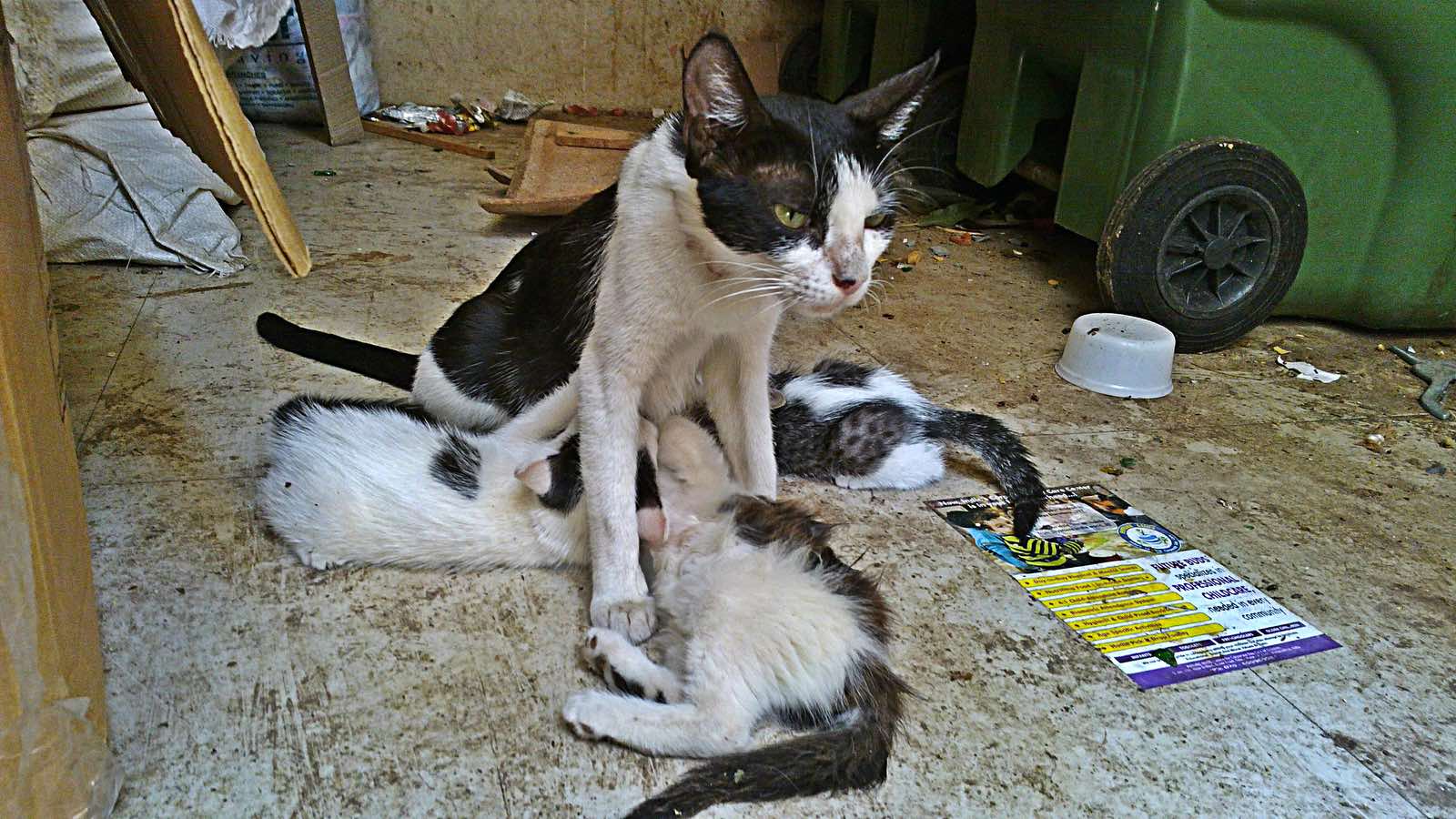
BEING the country’s leading organization whose mission is to prevent cruelty to animals and offer sustainable solutions to the issue of stray dogs and cats in the communities, the Philippine Animal Welfare Society (PAWS) launched yesterday its newest campaign called “Kapon for All Pets.”
The program proposes incentives that local government units (LGUs) can offer to veterinary clinics operating within their cities and municipalities. This three-way partnership between PAWS and participating LGUs seeks to provide free or affordable “kapon” (Spay/Neuter) procedures for pets owned by the LGUs’ constituents.
Under the program, the participating veterinary clinics within the city or municipality will be working alongside the LGU to implement the program. LGUs that will take part in the program will then be included on PAWS’ List of Progressive Kapon-friendly cities and municipalities, a list PAWS will put out on all of its social media channels in celebration of World Spay Day on February 22, 2022.
The first 10 LGUs to implement the Kapon for All Pets fiscal and non-fiscal incentives will receive P50,000 worth of surgery materials from PAWS and a plaque of recognition as a “Pioneer KAPON FOR ALL PETS LGU Partner.”
PAWS has long promoted Spay/Neuter programs for companion animals. In fact, PAWS has been operating since 2009 a low-cost spay-neuter clinic in Quezon City and even gives free spay-neuter to indigent pet owners.
The organization even has a “KabaliCAT” project that implements Trap-Neuter-Vaccinate-and-Release (TNR) activities that manages stray cats in neighborhoods. PAWS even has its own shelter for spayed/neutered dogs and cats that are available for adoption.
Many communities all over the country have long dealt with the issue of stray dogs and cats. For many years, the only programs that the LGUs have in place are impounding activities and vaccination drives. Unfortunately, these measures only scratch the surface of the issue and do not preventively address the problem of homeless animals at its root.
Strays come from owned pets, who get pregnant or get other pets pregnant and once they give birth, people give the puppies and kittens away. There are always takers for the puppies but when they are all grown up, sometimes they end up on the streets. Spay-Neuter (SN) programs for stray dogs also do not address the problem of stray dogs who end up sick, with a contagious skin problem, or with transmissible venereal tumor since no one really brings them to the vet.
The SN groups for stray dogs quickly realized that they are to run as “mini-shelters” themselves, and so they end up bringing the sick dogs to the vet. The SN groups for stray dogs will eventually run out of steam, enthusiasm, manpower, and funding, especially as long as owned pets keep reproducing. Owned pets, therefore, must be spayed or neutered to solve the problem of pet homelessness for the long term.
PAWS believes that providing free or affordable kapon for pets is the long-term and sustainable solution to pet homelessness. It is not about having bigger pounds, turning pounds into shelters, or putting up new signages proclaiming that a building is now an “animal rehabilitation center.”
“Kapon for All Pets” is proof that private-public partnerships can promote animal welfare, which is directly connected to public health issues and the eradication of rabies. LGUs that are interested to work with PAWS to implement the “Kapon for All Pets” campaign within their jurisdiction may email PAWS’ Executive Director, Anna Cabrera, at [email protected].
(PHOTO CREDIT: https://upload.wikimedia.org/wikipedia/commons/7/76/Cat-stray-feeding-kittens.jpg?fbclid=IwAR1DHtn–V33XJwDiNoPfqDy19zv9rvZ3W0r4XqzjL6xu2xryKJluxfrVT0)