
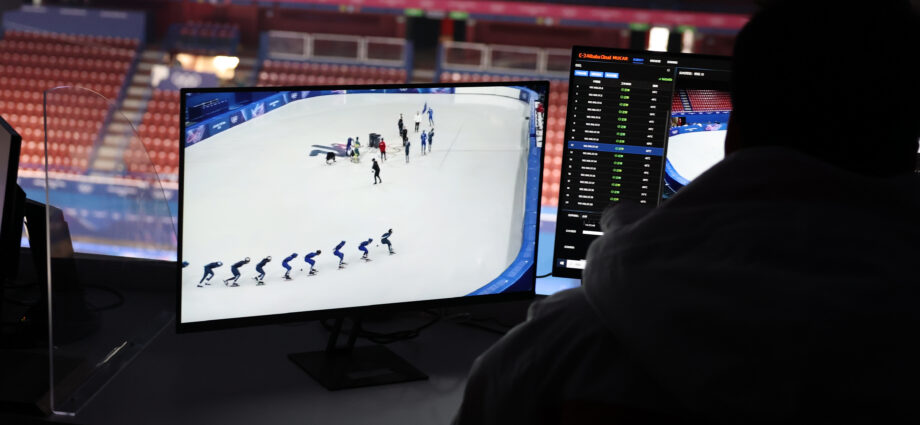
MILAN, Italy — The Olympic and Paralympic Winter Games Milano Cortina 2026 have emerged as a pivot point for sports technology, utilizing a massive cloud and artificial intelligence infrastructure to manage the most geographically dispersed event in Olympic history.
As a Worldwide TOP Partner of the International Olympic Committee (IOC), Alibaba Group provided the digital backbone for the Games, deploying a suite of AI-driven solutions aimed at streamlining operations across 22,000 square kilometers of northern Italy.
Sustainability was a primary focus for the organizers, who utilized an enhanced Energy Data Management System to monitor carbon emissions and power consumption across all competition venues in real time. This was complemented by an Energy Issue Tracking System that digitized the workflow for resolving anomalies and a specialized sustainability platform designed to assess the Games’ full lifecycle footprint.
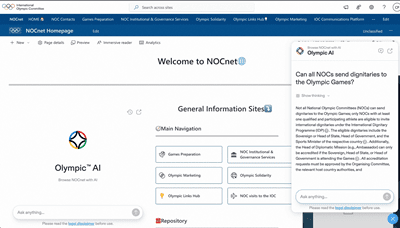
In a first for the Olympic Movement, the IOC also tested an intelligent chatbot powered by Alibaba’s Qwen large language models (LLM), allowing staff to query historical and real-time electricity data through natural language.
The vast scale of the Alps necessitated high-efficiency logistics, leading to the deployment of a Cloud-based Transportation Management System (TMS). This platform coordinated the movement of over 80,000 individuals, including athletes and media, through a dedicated app that provided personalized journey planning and real-time updates.
Beyond logistics, the technology extended into the field of play with a new Video Adjudication system. Integrated into Freestyle Skiing and Snowboard Slopestyle events, the system used synchronized multi-signal video feeds to help referees identify fouls and resolve scoring disputes with instant playback.
Broadcasting also underwent a significant transformation, moving further away from traditional satellite reliance. The OBS Live Cloud Platform distributed 442 live video feeds to 42 broadcasters globally, a shift that allowed the International Broadcasting Centre to reduce its physical footprint by 25% compared to Beijing 2022.
To assist media outlets, an Automatic Media Description System processed hundreds of competition sessions, while a 360-degree replay system generated over 4,000 highlight clips of key moments.
Even Olympic traditions received a digital update at the Milano Olympic Village through an “Intelligent Pin Trading Station.” Utilizing the Qwen LLM and robotic arms, the station allowed athletes to trade physical pins via voice and gesture commands, facilitating over 8,000 exchanges during the Games.
IOC President Kirsty Coventry noted that the integration of these models has set a new benchmark for creativity in the movement, while Alibaba Cloud Intelligence President Dr. Feifei Li emphasized that the event marks a milestone for the first use of LLM technologies in Olympic history.
Operational stability was maintained through a variety of cloud-hosted applications, ranging from meteorological portals providing critical weather data for outdoor events to an e-voucher system that managed meals for tens of thousands of stakeholders.
Collectively, these systems—including the Olympic AI Assistant and the Sports AI Platform—demonstrated how cloud infrastructure can handle large-scale media management and multilingual fan interactions, aiming for a more seamless and intelligent experience for the global sporting community.
(MAIN PHOTO: Alibaba Cloud’s Real-Time 360º Replay systems)