
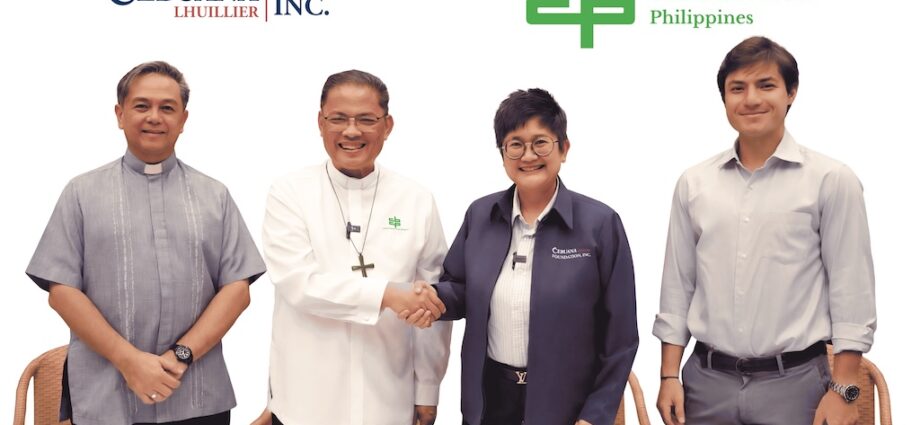
Cebuana Lhuillier Foundation Inc. (CLFI) has partnered with the Catholic Bishops’ Conference of the Philippines (CBCP) to help preserve the country’s religious and cultural heritage through Proyekto Custodia: The National Sacred Art and Church Heritage Initiative, which will bring more than 100 antique religious artworks and ceremonial objects to selected churches nationwide.
The initiative seeks to strengthen efforts to safeguard the Philippines’ centuries-old religious and artistic traditions by making historically significant sacred objects accessible to parishioners and visitors while ensuring their proper care and preservation.
As part of the program, more than 100 antique religious artworks, devotional icons, and ceremonial church objects from the private collection of Cebuana Lhuillier Founder and Chairman and Philippine Ambassador to Spain and Andorra Philippe J. Lhuillier will be shared with selected churches across the country.
The artworks will be placed in historic churches, missionary parishes, and rural chapels, allowing communities to appreciate these pieces within settings that reflect their original religious and cultural significance.
Cebuana Lhuillier President and Chief Executive Officer Jean Henri Lhuillier said the initiative reflects the family’s longstanding appreciation for religious art and its importance in preserving Philippine history.
“My father, Ambassador Lhuillier, has long appreciated how religious art serves as an avenue to showcase history. It is meaningful for us to share part of his collection with the Church and support the CBCP’s efforts to look after these pieces,” he said.
“Through Proyekto Custodia, we hope these artworks will find a home in churches where parishioners and visitors can learn about and appreciate their significance,” he added.
Under the partnership, the CBCP will help introduce and endorse Proyekto Custodia to more than 100 heritage churches throughout the Philippines. The organization will also assist in identifying suitable recipient churches to ensure that the religious objects are placed in appropriate environments.
The collaboration highlights the role of private institutions and religious organizations in protecting cultural properties that form part of the country’s historical and spiritual identity.
CBCP President Archbishop Gilbert Garcera emphasized that preserving religious heritage requires cooperation among various sectors of society, extending beyond the responsibilities of Church authorities.
“The preservation of our sacred heritage is not the responsibility of the clergy alone. It is a shared mission involving the Church, the laity, cultural institutions, private foundations, artists, historians, and local communities,” Garcera said.
The initiative also recognizes the importance of maintaining religious artworks within communities where they can continue to serve their devotional purpose while providing opportunities for cultural and historical appreciation.
Cebuana Lhuillier First Vice President and Chief Administrative Officer Jo-Ann Tacorda said close coordination with recipient churches will be essential to ensuring the proper placement and care of the collection.
“We want each piece to go to a church where it can be properly cared for and appreciated. Working with the CBCP helps us understand each church’s needs and ensure that the artworks are placed in settings suited to their purpose and history,” Tacorda said.
Beyond preserving individual religious objects, Proyekto Custodia seeks to contribute to the broader protection of Philippine church heritage, particularly in communities where historic religious artifacts remain important expressions of local faith, artistry, and tradition.
Through the initiative, CLFI and the CBCP aim to encourage greater awareness of the historical and cultural value of sacred art while promoting shared responsibility for its preservation.
The partnership underscores how collaboration between the private sector and the Catholic Church can help ensure that significant religious artworks remain part of the country’s living heritage, allowing future generations of Filipinos to appreciate their artistic, historical, and spiritual importance.