
Dengue cases in the Philippines may be down sharply from last year, but health experts are warning that the disease remains a serious threat as several areas report outbreak-level transmission and hundreds of people have already died this year.
Department of Health (DOH) data showed 93,155 dengue cases from Jan. 4 to Aug. 1, 2026, a 46-percent decline from the 174,077 cases recorded during the same period in 2025. Despite the drop, 386 deaths have been reported this year.
Dr. Lulu Bravo, executive director of the Philippine Foundation for Vaccination, said the number of deaths should prevent communities from becoming complacent, particularly during the rainy season when dengue transmission can intensify.
“We should not measure the seriousness of dengue by case numbers alone,” Bravo said, noting that several communities are already experiencing outbreaks.
Dengue remains endemic in the Philippines, meaning the country continues to carry a substantial baseline burden of infection even when annual case numbers fluctuate.
Dr. Rontgene Solante, head of the Adult Infectious Diseases and Tropical Medicine unit at San Lazaro Hospital, said the latest figures should therefore be viewed against the country’s long-standing dengue burden rather than as evidence that the disease is no longer a major public health concern.
Several Areas Hit Outbreak Levels
The latest surveillance data provided to FrontpagePH.com showed dengue activity exceeding epidemic thresholds in several provinces and cities, including La Union, Aurora, Albay, Camarines Norte, Zamboanga Sibugay, Davao Oriental, Sulu, Tawi-Tawi, Abra and Agusan del Sur, as well as Lapu-Lapu, Mandaluyong and Zamboanga cities.
Cebu City, Mandaue City, Sorsogon and Davao de Oro, meanwhile, crossed the alert threshold.
Zamboanga City declared a dengue outbreak in early August after reporting 1,241 cases and 12 deaths across 39 barangays. Local health officials said cases had risen sharply compared with the same period last year.
Cebu City also recorded 1,228 cases and 10 deaths from Jan. 1 to July 18, compared with 1,093 cases and three deaths during the corresponding period in 2025.
The DOH has urged households to eliminate mosquito breeding sites by regularly emptying, cleaning, drying and covering water-holding containers.
Climate Change Adds To The Challenge
Health experts say dengue prevention is becoming more complicated as environmental and demographic changes alter where and how the disease spreads.
Dr. Nina Gloriani, a former dean of the University of the Philippines Manila College of Public Health, pointed to climate change, population growth and increased travel as factors contributing to the changing dengue landscape.
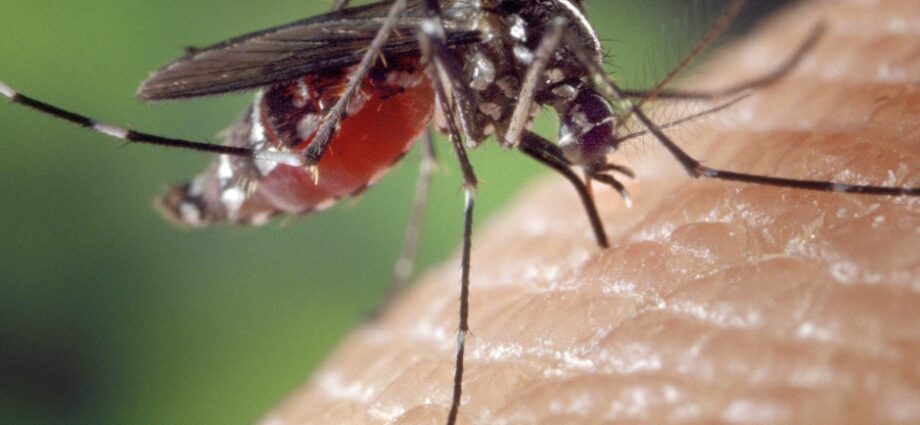
The mosquito-borne disease is transmitted primarily by Aedes aegypti and Aedes albopictus mosquitoes, which can thrive around homes and communities where stagnant water provides breeding sites.
The World Health Organization (WHO) recommends a combination of mosquito control, surveillance, early diagnosis, appropriate treatment and community participation to reduce the impact of dengue.
Vaccine Debate Gains Urgency
The continuing outbreaks have also renewed calls for broader consideration of dengue vaccination in the Philippines.
WHO currently recommends the dengue vaccine TAK-003, also known as Qdenga, for children ages 6 to 16 in settings with high dengue transmission intensity. The vaccine is given in two doses three months apart and is intended to complement, rather than replace, mosquito-control and other prevention measures.
Gloriani said the availability of the vaccine in other countries gives the Philippines another potential tool for reducing the health burden of dengue. She said local data on infections, hospitalizations and deaths should be considered in determining whether and how vaccination could be introduced.
The WHO has emphasized that TAK-003 does not prevent every dengue infection and should be incorporated into a broader disease-control strategy. prevention remains essential, especially during periods of increased transmission. Removing standing water, using mosquito repellents and protective clothing, and seeking medical attention when warning signs appear can help reduce the risk of severe disease.
With dengue continuing to circulate year-round and outbreaks emerging in different parts of the country, experts say the decline in national case numbers should not be mistaken for an end to the threat.