
The conventional image of an online college student — isolated, passive, and disengaged from campus life — is increasingly being overturned as digital education evolves. Once associated with solitude and limited interaction, fully online learning programs are now producing highly capable, socially active, and globally competitive students. The modern reality of digital education shows that flexibility and virtual access can, in fact, cultivate discipline, leadership, and real-world excellence.
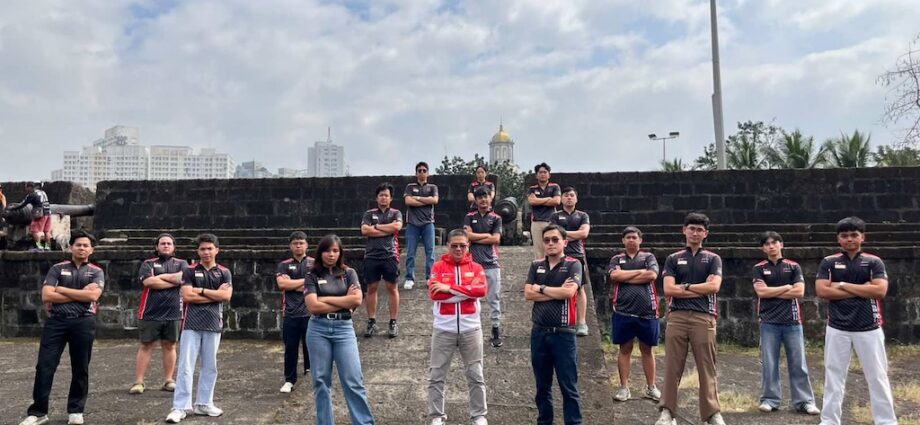
A clear example of this transformation is Karis Evangeline Carlos, a third-year Industrial Engineering student under the Ubiquitous Online Experience (UOx) program of Mapúa University. Far from being confined to a screen-based academic routine, Carlos has taken on a leadership role as Team Manager of Cardinal One, the university’s elite engineering squad competing in the Shell Eco-Marathon—a global competition that challenges student teams to design and build highly energy-efficient vehicles.
Her experience illustrates how online learners are no longer limited by physical distance or traditional classroom settings. Instead, they are actively participating in complex, high-stakes projects that demand collaboration, technical expertise, and leadership at an international level.
Carlos deliberately chose the UOx program for its asynchronous and self-paced structure, which allowed her to design a learning environment aligned with her personal and professional goals. The flexibility of the digital format enabled her to manage a demanding engineering curriculum while simultaneously pursuing extracurricular interests such as running, kickboxing, and church service.
More importantly, it allowed her to take on a leadership role in one of the university’s most competitive engineering teams without compromising her academic performance. She credits the program’s structure for fostering discipline, resourcefulness, and strong time management skills — traits that proved essential in balancing multiple responsibilities.
Her rise within Cardinal One was swift. She joined the team in her first year of college, initially serving in an operations role despite having no prior experience in a traditional university setup. Her ability to quickly adapt, communicate effectively, and think in systems led to her promotion as Project Manager.
In this capacity, she guided the team through complex technical development cycles, strict academic requirements, and the logistical challenges of competing internationally. Applying principles from her industrial engineering studies, she helped streamline operations, improve coordination, and strengthen team cohesion under pressure.
The structured yet flexible nature of the UOx learning model played a critical role in her success. With course materials and deadlines accessible in advance, she was able to strategically allocate her time—shifting focus between academic requirements and engineering project demands as needed, without falling behind in either area.
Mapúa University also provides a support ecosystem designed specifically for online learners. This includes academic mentors, life coaches, remedial sessions, and a comprehensive digital library, all aimed at ensuring students remain engaged and supported throughout their studies. This integrated approach helps reduce the isolation often associated with online education and reinforces student performance in both academic and extracurricular pursuits.
Under faculty guidance, Cardinal One achieved significant milestones in international competition. The team qualified for regional finals in Indonesia, where their internal combustion vehicle successfully passed rigorous technical inspections and earned recognition for technical innovation, particularly in fuel efficiency.
The team later advanced to developing an electric-powered prototype, representing the Philippines in Doha, Qatar. The vehicle once again passed stringent technical inspections, marking another step forward in the team’s engineering progression and global participation.
For students like Carlos, the UOx model demonstrates that digital education is not a limitation but a platform for accelerated growth. It cultivates self-direction, adaptability, and accountability—skills that are increasingly essential in engineering, technology, and other high-impact fields.
Her journey reflects a broader shift in how online education is perceived and experienced. Far from being passive learners, today’s digital students are actively shaping industries, leading technical teams, and competing on the global stage. Success in this environment, however, requires more than access—it demands intention, discipline, and a willingness to pursue opportunities beyond the screen.