
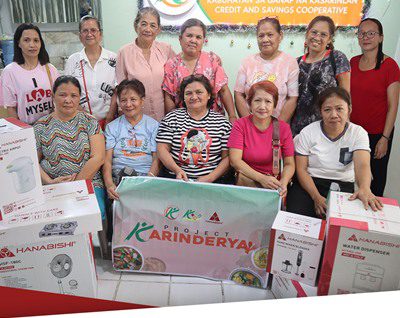
MANILA — In many Filipino neighborhoods, the karinderya is more than a place to eat. It is where mornings begin over silog meals, where tricycle drivers linger over coffee, and where families stretch a budget without sacrificing a warm, home-cooked plate. For many women running these small eateries, however, keeping the stove on has become an increasingly fragile endeavor.
This is where Hanabishi Appliances’ Kapartner sa Kabuhayan advocacy has quietly stepped in, renewing its partnership with K-COOP’s Project Karinderya in the last quarter of 2025 to help small food entrepreneurs rebuild, sustain, and grow their businesses.
Rather than one-off donations, the initiative focuses on practical support—providing Karinderya Starter Kits to community-based eatery owners in Rizal and Bulacan, while ensuring steady income and food access within their neighborhoods. In its latest rollout, the program supported 30 karinderya owners and helped feed around 600 individuals for 30 days.
“For us, this isn’t just about appliances,” said Cherish Ong-Chua, vice president for finance and marketing of Hanabishi Appliances. “It’s about standing alongside Filipino families—especially nanaypreneurs—who are trying to build something sustainable for themselves and their communities.”
Hanabishi first partnered with K-COOP earlier in 2025, distributing starter kits to beneficiaries in August. By year’s end, the program expanded its reach, reinforcing the idea that livelihood support works best when it is consistent and community-driven.
The Karinderya Starter Kits were designed with everyday kitchen realities in mind. Each package included a selection of Hanabishi appliances—from electric fans and gas stoves to rice cookers, pressure cookers, water dispensers, and small kitchen tools—allowing owners to improve efficiency, food safety, and customer service without taking on additional debt.
Beyond equipment, Project Karinderya also addresses food security. Through a Php 60-a-day meal subsidy redeemable at participating eateries, the program ensures a month-long income stream for karinderya owners while providing affordable meals to vulnerable groups such as senior citizens, persons with disabilities, pregnant and lactating mothers, and low-income families.
Training and capability-building are woven into the program. Participants attend sessions on food safety, basic nutrition, and customer service, while health cadets and monitoring teams help ensure quality standards are met. The goal is not just survival, but sustainability—helping small eateries become reliable neighborhood fixtures once again.
“At Hanabishi, we believe sustainable progress begins with dignity,” Ong-Chua said. “Through Kapartner sa Kabuhayan, we want to support livelihoods that allow people to stand on their own and take pride in what they’ve built.”
In communities where a single karinderya can mean both a meal on the table and income for a family, initiatives like this remind us that sometimes, the most meaningful change starts with something as simple—and as powerful—as a working stove and a full pot of rice.