
Filipino workers are renowned here and abroad not just for their technical skills but also their proficiency, adaptability and relatability in any workforce.
This is why many of them are part of what is called “remote rotational workers.” Examples of remote rotational workers include seamen, oil and gas rig crews, flight crews, and engineering and operations personnel, just some of the most in-demand workers both locally and overseas.
What sets them apart from other workers is that whether on or offshore, their work and lifestyle are unique, and their pay grade is considered lucrative by some. However, their line of work has long been associated with a high impact on mental health and wellbeing.
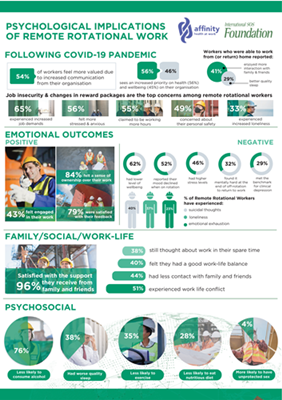
International SOS Foundation and Affinity Health at Work’s global study called “Mental Health and the Remote Rotational Workforce” confirmed the psychological impact of this unique mode of working. The new study highlighted evidence of the high level of suicidal thoughts, clinical depression, impact on physical health (such as diet), and effect of the COVID-19 pandemic on this workforce.
In reply to an emailed question by FrontpagePH.com, Dr. Rodrigo Rodriguez-Fernandez, medical director for Wellness and Non-Communicable Diseases (NCDs) of International SOS said, “There is an urgent need for increased focus, understanding and strategies to mitigate mental ill health and promote better mental health of the remote rotational workforce. This is highlighted in our survey, which uncovers significantly high levels of critical mental ill health issues, including suicidal thoughts and depression. The COVID-19 environment has also added increased stress on this already pressured working arrangement.”
Among the key findings of International SOS revealed that 40 percent of all respondents experienced suicidal thoughts occasionally or all the time while on rotation, which is an alarmingly high number compared to the average 4-9 percent. This meant that one in five rotational workers felt suicidal all or most of the time. Of those surveyed, 29 percent of participants met the benchmark for clinical depression and 52 percent reported a decline in mood and mental health while on rotation. About 62 percent of respondents on rotation or at work also had worse mental health compared to those in a conventional population or setting, while 31% percent of workers off rotation reported experiencing lower mental health than the general population.
Dr. Rachel Lewis, a registered occupational psychologist and director of Affinity Health at Work, replied that remote rotational work may come with the perks of higher pay, but with a propensity to be isolating at the best of times. “On and offshore, working pressures and varying shift patterns also add their weight. And this is not to mention the impact of the current pandemic, which has seen may remote workers unexpectedly away from family and friend networks for longer than anticipated.”
Also, working during the pandemic was more difficult for rotational workers as 65 percent of them experienced a surge in job demands, and 56 percent endured longer working hours, which contributed to stress and anxiety. Also, 49 percent of workers were also concerned for their safety before the pandemic and a third of them felt more lonely, and 23 percent also reported physical symptoms such as headaches and stomach problems.
Dr. Rodriguez-Fernandez warned that mental and physical health are intrinsically linked. “Organizations and individuals with a Duty of Care to their remote rotational workers should have visibility and a plan of support for their workforce encompassing both.”
Mental health has also become a growing issue in the country as the Department of Health (DOH) an increase of calls on mental health and suicide to the National Center of Mental Health hotline, which served more than 3,000 individuals during the first quarter of 2021. The Department of Labor and Employment’s supplemental guidelines on workplace prevention and control of COVID-19 also mandated establishments to implement all necessary safety and health programs at no cost to employees.
Dr. Carrianne Ewe, medical director of International SOS Philippines said that mental health has been an area of concern for organizations as they continue to navigate through this crisis. “We have been supporting our clients with rotational workers by incorporating mental health support into their health and wellness programs,” she told FrontpagePH.com
“It has become essential to support employees who are experiencing mental stress and pandemic fatigue. It is important to let them know that they are not alone in their journey and support is within reach through the Employee Assistance Programs which can help them with sessions on mindfulness and tips on improving one’s mental wellbeing. This approach helps organizations build the resilience of their employees, ensuring that they are healthy and productive during these challenging times,” Dr. Ewe added.
The full report, including practical recommendations on mitigation measures for companies is now available at https://www.internationalsosfoundation.org/remote-rotational-worker-survey. A live webinar on the findings is scheduled on 29 April 2021.