
MANILA — The Philippines has reclaimed its position as the world’s second-largest banana exporter, a turnaround government officials say reflects the impact of targeted agricultural interventions and supports a broader push to expand high-value crop exports.
Agriculture Secretary Francisco Tiu Laurel Jr. said the latest Food and Agriculture Organization (FAO) report confirms that focused government support helped reverse years of decline caused by weather- and disease-related setbacks.
“Many thought the banana industry was in decline. This is proof of concept that when interventions are done right, we can reverse the trend,” Tiu Laurel noted, adding that the Department of Agriculture (DA) plans to apply the same approach to other priority crops.
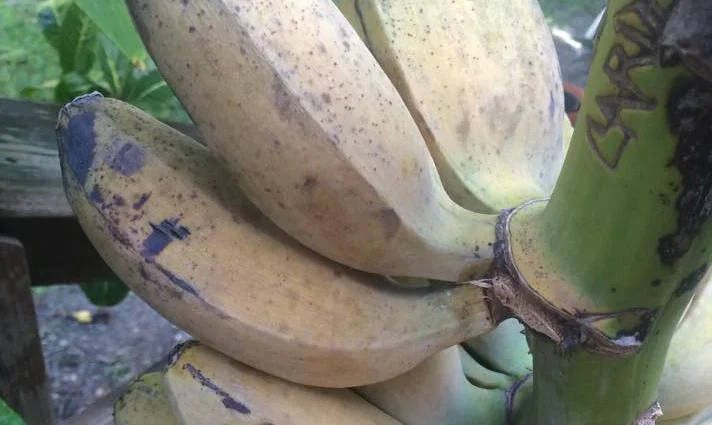
The FAO attributed the rebound largely to increased Philippine supplies following recovery from production disruptions. Industry sources cited investments in banana farms in Cagayan Valley, supported by DA-provided inputs such as organic fertilizer. The Philippine Cardaba banana, or saba, has also gained traction in export markets through products like banana chips, steamed saba, and banana catsup.
These efforts were consolidated under the DA’s 2025 High Value Crops Development Program, which distributed about 106,000 banana planting materials for farm expansion and rehabilitation. The program also rolled out around 120,000 units of organic fertilizer and deployed more than 215,000 biological control agents, including Trichoderma, to improve plant resilience and reduce postharvest losses.
The sector’s recovery comes amid continuing threats from Fusarium wilt tropical race 4, or Panama disease, which has affected an estimated 15,500 hectares in the Davao Region. The disease poses a persistent risk to the Cavendish variety that anchors Philippine banana exports, making containment efforts critical to sustaining recent gains.
Building on the banana rebound, the DA is sharpening its export strategy beyond bananas and mangoes. It has identified 10 additional high-value crops for focused development: asparagus, avocado, cacao, calamansi, coffee, dragon fruit, durian, okra, pomelo, and rambutan.
Fruits and peels are now the country’s second-largest agricultural export category, with shipments rising 33 percent year-on-year in November to US$244.4 million.
Officials said the renewed emphasis signals a shift from volume-driven production toward value-oriented, export-ready agriculture aimed at strengthening the Philippines’ competitiveness and resilience in global markets.