
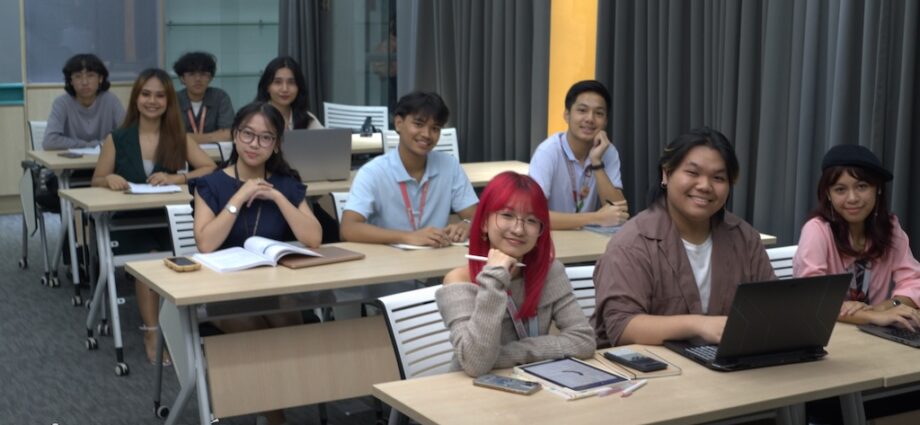
The transition from senior high school to college is proving to be a massive hurdle for Filipino students, as recent national data reveals that a high school diploma no longer guarantees readiness for higher education. According to the latest results of the 2024 National Achievement Test for Grade 12, as reported by the non-profit organization Explained Ph, Filipino students across all regions and academic tracks are registering low proficiency levels. The report highlights persistent learning deficiencies in core academic subjects, culminating in a dismal national average score of just 41.12. Out of all the regions in the country, only seven managed to outperform this alarmingly low benchmark.
With such a stark learning gap threatening the future of incoming college freshmen, parents and educators are actively seeking defensive measures to prevent students from falling behind. Educational experts argue that traditional textbook learning is no longer sufficient to bridge this academic deficit. In response to the crisis, institutions like Mapúa Senior High School are shifting their focus toward holistic learning experiences designed to elevate student performance above the national average. By integrating a rigorous, college-level curriculum, the institution aims to drive continuous learning both inside and outside the classroom, giving students an early taste of university-level expectations.
The school is addressing the national proficiency drop by moving away from exclusive reliance on lectures and classroom discussions. While these traditional formats still anchor the courses, educators are placing a heavier emphasis on hands-on training, research collaborations, student-led projects, and community initiatives. School administrators note that these practical experiences allow high schoolers to process complex lessons more effectively and deepen their genuine interest in their chosen fields. By participating in business simulations, robotics projects, and student organizations, learners develop both technical capabilities and essential soft skills like leadership and teamwork.
To foster analytical thinking and independent decision-making, the institution allows senior high school students to select their own special electives and specific areas of discipline. This method forces students to think critically and creatively while learning how to manage complex or ambiguous problems. School leadership emphasizes that despite the heavy academic workload, students find purpose in their tasks because they are given the autonomy to pursue subjects that genuinely interest them.
The curriculum is divided into eight specialized academic pathways that map directly onto university degrees. The Arts track is available specifically at the Makati campus and covers Visual Arts and Multimedia. The Business track includes Business Management and Hospitality Management, while the Communications pathway offers courses in Broadcast Communication, Journalism, Pre-Law, and Social Science. Technical minds can enroll in the Design track for Architecture, the Engineering track, or the General Technology path which focuses on Information Technology and Data Science. Additionally, the school provides a Fitness pathway for sports-related disciplines and a Health track for students eyeing Medicine and Allied Health degrees.
Beyond the academic tracks, educators emphasize that a culture of discipline and integrity is what truly prepares a student for the high stakes of university life. Teachers are trained to maintain strict academic standards while offering continuous encouragement to build student confidence. By balancing rigorous coursework with moral guidance, the school aims to produce graduates who are adaptable enough to survive both the university environment and the evolving professional landscape. Parents looking into these advanced prep programs can find more details on the official Mapúa website.