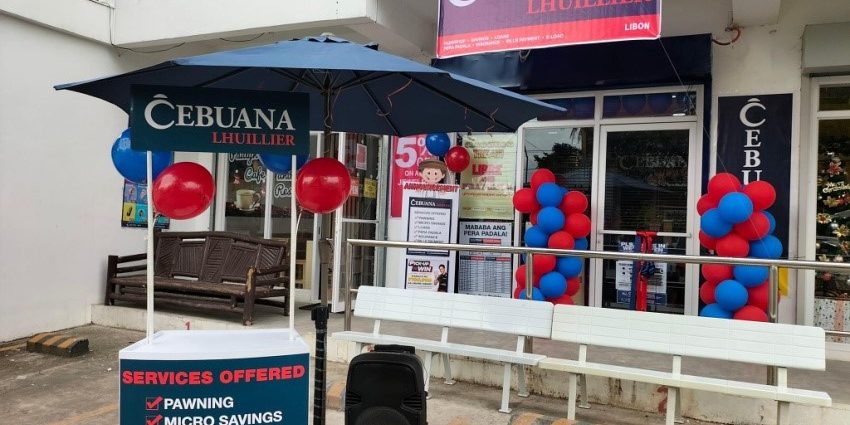
Thousands of Filipino micro, small, and medium enterprises (MSMEs) are finding new opportunities for growth by transforming their neighborhood stores into community financial service centers through the authorized agent network of Cebuana Lhuillier. By offering services such as domestic remittances, bills payment, and electronic bank transfers alongside their core businesses, local entrepreneurs are creating additional income sources while extending access to essential financial services in underserved areas.
With a nationwide network of more than 30,000 authorized agents, Cebuana Lhuillier continues to strengthen its partnership with the MSME sector. The initiative enables sari-sari stores, pharmacies, hardware shops, and other small businesses to diversify their offerings, attract more customers, and improve long-term business sustainability. At the same time, it helps bridge gaps in financial accessibility in rural and remote communities where traditional banking services remain limited.
For many entrepreneurs, the program has become a catalyst for business growth. On Balut Island, local business owner Herman Murillo integrated Cebuana Lhuillier services into his hardware and photocopy shop after recognizing the lack of accessible financial services in the area. The addition of money transfers and bill payments quickly generated steady customer traffic, expanded transaction volumes, and created a more stable and diversified revenue stream while sparing residents from having to travel long distances to complete basic financial transactions.
A similar experience was shared by Danilo Basilio Furigay and Ludy Furigay in Basilan. After becoming Cebuana Lhuillier authorized agents, the couple was able to provide financial services previously unavailable within their community. The added convenience attracted more customers to their business, increased transaction activity, and boosted overall sales, effectively transforming their establishment into a trusted one-stop financial service center.
Meanwhile, pharmacy owner Aiza Minong turned to the authorized agent model as a way to supplement income while building her business. Offering financial services became especially valuable during the pandemic, when mobility restrictions heightened demand for accessible neighborhood-based transactions. Despite operating in an area with limited connectivity, she was able to serve local residents while steadily increasing daily transactions, with the service eventually becoming a significant contributor to the pharmacy’s revenues.
The experiences of these entrepreneurs highlight a broader trend in the Philippine digital economy: the growing role of MSMEs in advancing financial inclusion. By integrating digital and financial services into their operations, small businesses are not only creating sustainable new revenue channels but also serving as critical access points for communities with limited banking infrastructure.
As Cebuana Lhuillier continues to expand its authorized agent network, the company is helping strengthen grassroots enterprises while building a more inclusive financial ecosystem. The model underscores how empowering local entrepreneurs can generate economic benefits that extend beyond individual businesses, supporting broader community development and improving access to essential financial services across the country.