Commuters on the Light Rail Transit Line 2 (LRT-2) can now enjoy faster and more convenient travel following the launch of the country’s first rail-based automated fare collection system that integrates open-loop EMV card payments, mobile Near Field Communication (NFC), and QR code technology into a single platform.
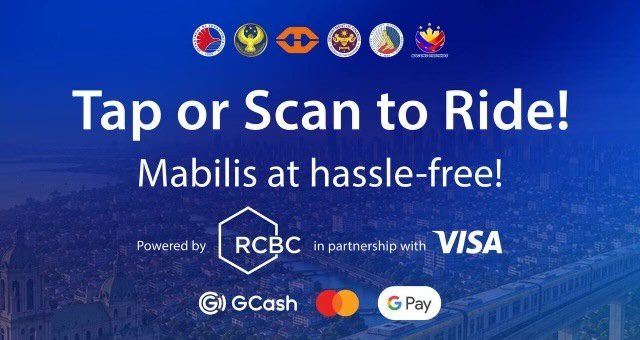
The new system enables passengers to pay for fares by simply tapping their Visa or Mastercard credit, debit, or prepaid cards directly at station turnstiles. NFC-enabled mobile wallets, including Google Pay, are also accepted, while GCash users can pay by scanning QR codes at designated fare gates.
The upgrade eliminates the need for commuters to purchase single-journey tickets or reload dedicated transit smart cards, offering a more seamless and flexible payment experience.
The initiative is powered by Rizal Commercial Banking Corporation (RCBC) in partnership with Visa, the Light Rail Transit Authority (LRTA), and the Department of Transportation (DOTr). Officials said the project is a major milestone in the government’s digital transformation efforts, bringing Philippine public transportation closer to international standards for contactless and interoperable fare collection.
Unlike traditional closed-loop transit payment systems, the new platform is bank-agnostic, allowing commuters to use eligible payment cards issued by participating banks, electronic money issuers, and financial technology providers. The interoperable design is also intended to support future payment innovations as the country’s digital payments ecosystem continues to expand.
Project partners said the collaboration demonstrates how digital finance can improve everyday public services by making commuting faster, more efficient, and more accessible for millions of Filipinos.
To encourage commuters to try the new system, RCBC is offering a limited-time promotional campaign through the latter half of July. Eligible debit and credit cardholders, including selected social security identification debit card users, may receive a one-peso fare cashback when using the new contactless payment options.
Transportation officials expect the modernization initiative to improve fare collection efficiency while enhancing the travel experience for the more than 58 million passengers who use LRT-2 annually. The project also supports the government’s broader push to modernize public transportation and accelerate the country’s transition toward a more inclusive digital economy.
Industry executives said the deployment represents another step toward wider adoption of cashless payments in everyday transactions. Beyond public transportation, the initiative complements broader efforts to expand digital financial services through mobile banking platforms, financial inclusion programs, automated teller machine networks, and partnerships among government agencies, financial institutions, and global payment providers.
With the introduction of contactless bank card, NFC mobile wallet, and QR-based fare payments, LRT-2 becomes the first railway system in the Philippines to offer commuters a fully integrated, interoperable cashless payment experience, setting the stage for future modernization across the country’s mass transit network.