
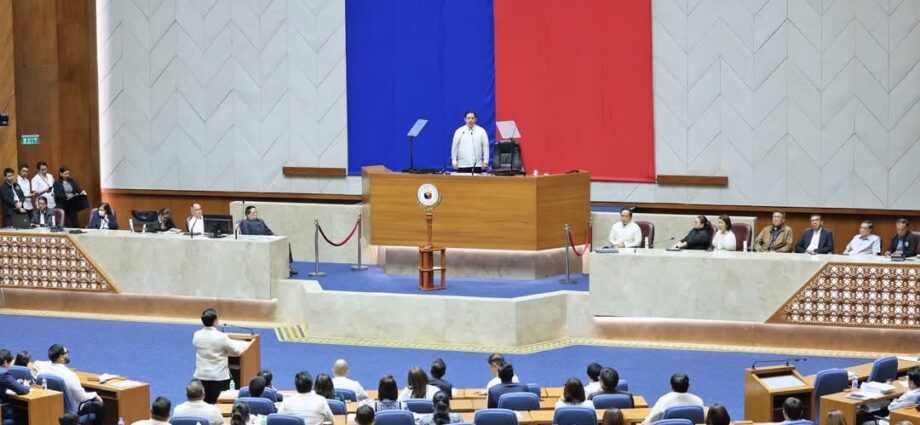
THE House of Representatives on Tuesday approved on third and final reading a bill that extends the maximum lease period of private land for foreign investors from 50 years to 99 years, a move aimed at attracting foreign investments but met with criticism over its implications for land sovereignty and agrarian reform.
House Bill No. 10755, which amends Republic Act No. 7652 (Investors’ Lease Act of 1993), was passed with 175 votes in favor, 3 against, and 2 abstentions. The measure, identified as a priority by the Legislative-Executive Development Advisory Council, aligns with efforts to modernize investment policies and enhance economic competitiveness.
The Senate approved its counterpart measure, Senate Bill No. 2898, on Monday. Authored by Senate President Francis Escudero, the bill awaits bicameral deliberations before being forwarded to the President for signature.
Provisions and Goals
HB 10755 seeks to:
Extend the maximum lease period for private land from 50 years (renewable for 25 years) to 99 years.
Allow foreign investors to sublet leased land with the consent of the lessor.
Streamline administrative processes to reduce red tape.
Require lease contracts to gain approval from the Board of Investments, except for lands in economic zones or free port areas, which fall under the jurisdiction of relevant investment promotion agencies.
The bill also imposes fines ranging from P1 million to P10 million for violations of its provisions.
Proponents argue that the bill would provide greater stability for foreign investors, enabling long-term planning and boosting the country’s attractiveness as an investment destination. House Speaker Martin Romualdez said the measure addresses foreign investors’ concerns over the restrictive 50-year lease period under the current law.
“This bill aligns with President Marcos’ open-door policy for legitimate foreign investments. By extending the lease period, we hope to attract new foreign capital, encourage business expansions, create more jobs, and sustain economic growth,” Romualdez said.
Criticisms and Concerns
Opponents, however, raised alarms over the bill’s potential to erode land sovereignty and undermine agrarian reform.
Gabriela Party-list Rep. Arlene Brosas, who voted against the bill, argued that a 99-year lease effectively equates to foreign land ownership.
“A 99-year lease is equivalent to a multi-generational hold on our land, bypassing constitutional restrictions on foreign ownership,” Brosas said. She expressed concerns that agricultural lands awarded to agrarian reform beneficiaries could end up leased to foreign entities under the bill’s broad definition of private lands.
HB 10755 defines private lands as those segregated from the public domain through grants by the state, including deeds of sale, adjustment titles, or possessory information titles converted into ownership records. It also includes patrimonial properties owned by investment promotion agencies.
Brosas warned this vague definition could open loopholes allowing foreign investors to exploit lands meant for Filipino farmers. She also criticized provisions that allow leased land to be used as collateral for loans and subleased, further expanding foreign investors’ control.
“This bill paves the way for monopolistic use and control of our lands by foreign entities for an excessively long time, compromising the rights of Filipino farmers and agrarian reform beneficiaries,” she said.
Next Steps
As the House and Senate versions of the bill move toward bicameral discussions, the measure remains a contentious issue, balancing economic aspirations with concerns about land sovereignty and the protection of Filipino farmers’ rights.