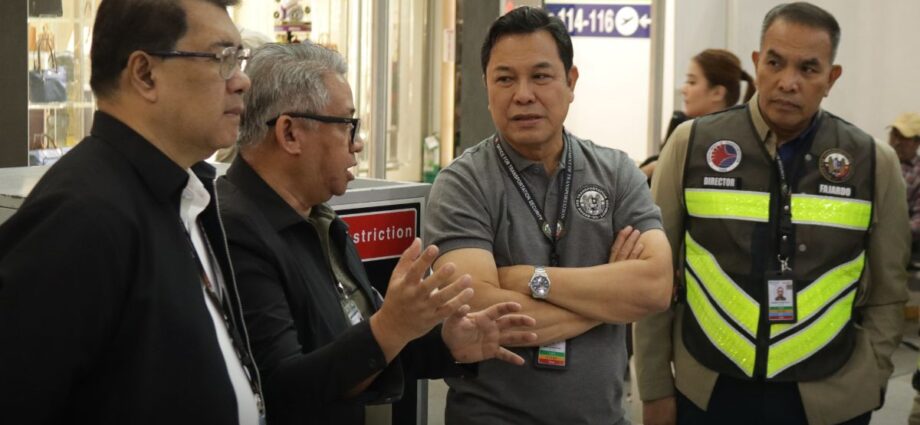
PASAY CITY — Office for Transportation Security (OTS) Administrator Undersecretary Gilberto Cruz conducted a high-level inspection of X-ray screening operations at the Ninoy Aquino International Airport (NAIA) Terminal 3, signaling a shift toward more rigorous physical safeguards at the nation’s busiest gateways.
The inspection focused on the planned installation of protective barriers and shielding mechanisms for X-ray conveyor systems. These modifications are specifically designed to prevent passengers from reaching into the machines to retrieve their belongings before the security screening process is officially completed.
The initiative serves as a direct corrective measure following a high-profile security breach at Iloilo International Airport in January 2026 involving a knife-wielding passenger. That incident triggered a nationwide audit of aviation security protocols, leading the OTS to identify the premature retrieval of bags as a significant vulnerability.
By installing physical barriers, the OTS aims to ensure that every piece of luggage remains within the “sterile zone” of the X-ray machine until cleared by a screeners’ digital inspection.
Usec. Cruz emphasized that these enhancements are part of a broader mandate from the administration of President Ferdinand Marcos, Jr. to modernize transportation hubs while prioritizing traveler safety.
“The goal is to eliminate identified vulnerabilities and ensure the integrity of our screening process,” Cruz stated. He noted that the upgrades are intended to balance strict adherence to Standard Operating Procedures (SOPs) with the need for passenger convenience and public confidence in the aviation system.
“We are reinforcing our physical and procedural safeguards to ensure that no item bypasses the necessary checks. This is about maintaining a secure environment for every traveler,” Cruz added,
Following the NAIA Terminal 3 assessment, the OTS is expected to roll out similar physical reinforcements across all major airport checkpoints nationwide. Security personnel are also undergoing refreshed training to manage the new screening flow and handle potential checkpoint disruptions.