
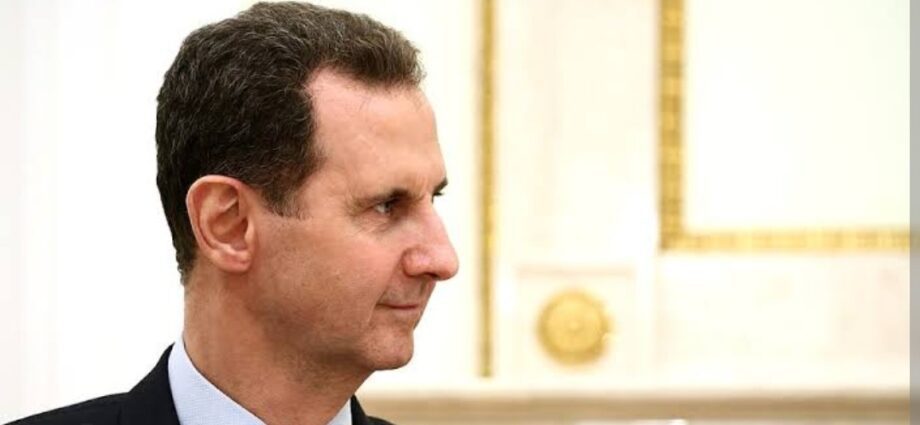
IN what is purported to be his first public statement since the fall of Damascus eight days ago, former Syrian President Bashar al-Assad has denied fleeing to Russia, asserting that he never intended to leave Syria.
The statement, posted Monday on the Syrian presidency’s Telegram channel, has raised questions about its authenticity and who currently controls the account. In it, Assad reportedly recounts the events following the rebel takeover of the Syrian capital, claiming he relocated to a Russian military base in Latakia to “oversee combat operations,” only to find Syrian forces abandoning their positions.
Assad describes Hmeimim airbase coming under “intensified drone strikes” and asserts that Russian forces arranged for his evacuation to Moscow after the fall of Damascus on December 7.
“At no point during these events did I consider stepping down or seeking refuge, nor was such a proposal made by any individual or party,” the statement reads. “When the state falls into the hands of terrorism and the ability to make a meaningful contribution is lost, any position becomes void of purpose.”
Fallout from Damascus’ Collapse
Rebel forces, led by Hayat Tahrir al-Sham (HTS), seized control of Syrian cities and provinces in a rapid 12-day offensive, culminating in the fall of Damascus. Speculation about Assad’s whereabouts grew as key officials, including the prime minister, reportedly lost contact with him. On December 9, Russian media claimed he had been granted asylum in Moscow, but there has been no official confirmation.
The former al-Qaeda affiliate HTS, Syria’s most powerful rebel group, has since announced plans for a transitional government. Its leader, Ahmed al-Sharaa (formerly Abu Mohammed al-Jolani), has promised tolerance for all religious groups, but skepticism lingers due to the group’s jihadist roots.
International Response
Western governments remain cautious. While the US and UK have reportedly initiated diplomatic contact with HTS, they continue to designate the group as a terrorist organization. Meanwhile, Qatar has moved to normalize relations, announcing the reopening of its embassy in Syria after 13 years.
EU foreign policy chief Kaja Kallas has stated that Moscow and Tehran “should not have a place in Syria’s future,” signaling ongoing tensions over their involvement in the country’s conflict.
As Syria’s transitional government begins to take shape, Assad’s reported statement offers a glimpse into the final days of his regime while leaving many questions unanswered.