
The Bureau of Jail Management and Penology (BJMP), under the Department of the Interior and Local Government (DILG), is reinforcing its commitment to a more humane, reform-oriented justice system by integrating restorative justice practices into jails across the country.
DILG Secretary Jonvic Remulla emphasized this transformative shift:
“We win not for our glory but we win for justice. And when we do that, we win for our country.”
To advance this vision, BJMP partnered with the Council for Climate and Conflict Action Asia (CCAA) for a two-day training on embedding Restorative Justice (RJ) principles into the Philippine jail and correctional system. RJ is a healing-centered approach that prioritizes accountability, reconciliation, and reintegration over punitive measures.
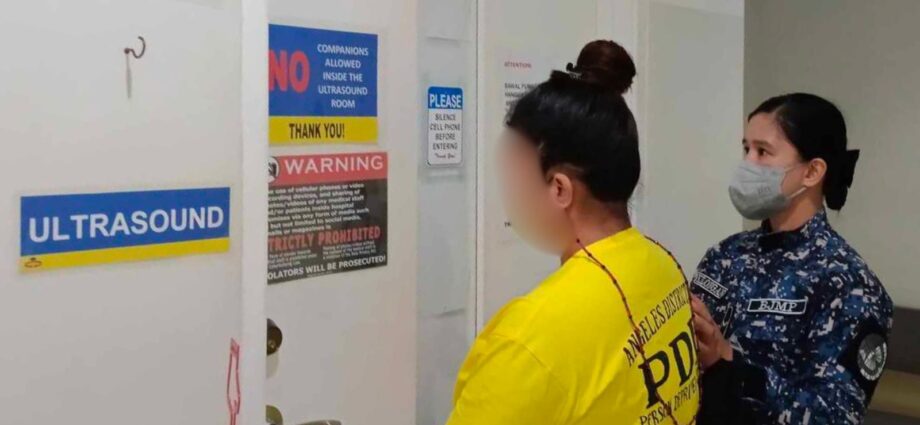
Currently, BJMP oversees the custody of 9,960 female persons deprived of liberty (PDLs). The agency offers holistic support to incarcerated women, including educational programs, livelihood training, mental health services, and maternal care. Pregnant and nursing mothers receive regular checkups, lab services, and vitamins through jail nurses, while lactation stations are provided to support breastfeeding. Infants are cared for until they can be turned over to families or child-caring institutions.
Mika (not her real name), a detainee at Quezon City Jail, shared:
“When I got here, I thought no one would ever help me. But I was wrong. There are still people willing to support someone like me, even in my situation.”
In May, BJMP facilities across the country honored incarcerated mothers through flower-giving, wellness services, and special performances for Mother’s Day. These initiatives reflect a broader push to restore dignity and improve the lives of women behind bars.
The reform aligns with President Ferdinand R. Marcos Jr.’s directive to build a justice system that is fair, effective, and anchored in compassion and human dignity.
“Women returnees often bear double the burden,” said Nicole Angelie Policarpio, CCAA Program Manager. “They face stigma as former detainees, and their children often suffer exclusion from schools and services.”
To support mental health and rehabilitation, BJMP also provides group counseling, stress management programs, and drug rehabilitation services for PDLs with substance use disorders.
BJMP Chief Jail Director Ruel Rivera stressed that the change must go beyond policies:
“This shift requires more than procedural reform. It demands a change in mindset from every policymaker and justice dispenser.”
In the coming months, BJMP will pilot restorative justice programs in select facilities, fully integrating RJ principles into its rehabilitation framework with continued support from CCAA.